Moving to Singapore? The Essential 2026 Guide for Aussie Expats
Global Financial Consultants
By Jarrad Brown
Your suitcases are probably still half-open somewhere in the hallway, and the reality of leaving Australia for Singapore is only just starting to hit. It is a move that thousands of Australians have made before you, and for pretty good reasons. You can still fly home for a long weekend when you need to, while also gaining access to global professional opportunities. For many people, it ends up being one of the better decisions they have made.
That said, 2026 is a slightly different landscape to navigate than it was a few years ago. The city itself has not changed, but the practicalities of finding a place to live, sorting out your taxes, and figuring out healthcare require a bit more thought than they used to. Consider this guide your pre-departure briefing on the practicalities of life in Singapore, which most expats only discover after arriving.
Getting your head around the cost of living
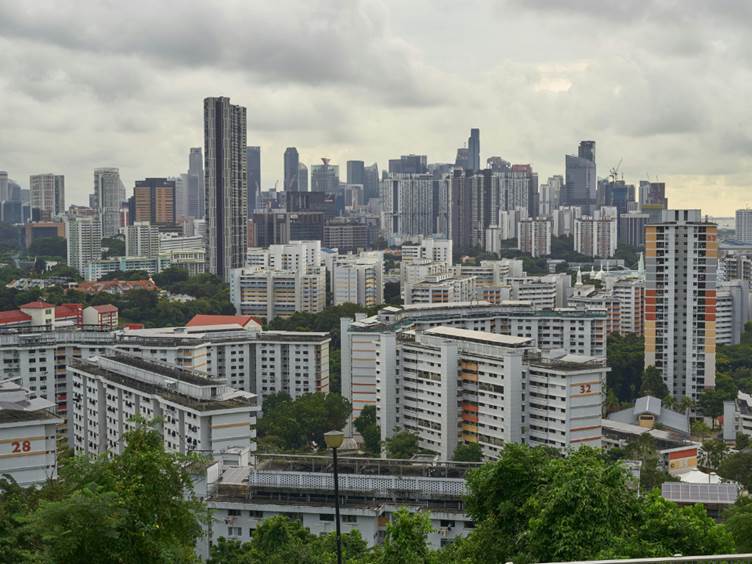
No point dancing around it: Singapore is expensive. If you are coming from Sydney, the property prices will sting in a familiar way. If you are from Brisbane or Adelaide, the monthly outgoings might come as a shock.
Rents in 2026 are still high. A good three-bedroom flat in one of the popular residential areas will cost you somewhere between SGD 3,800 and SGD 5,500 a month. If you want to be closer to the business district, that number goes up.
- Day-to-day costs: You can find most Australian staples here, which helps with homesickness, but import costs are built into the price. Familiar, just pricier.
- Getting around: This is genuinely one of the better surprises. Public transport is excellent and remarkably cheap compared to what you are probably used to in Melbourne or Sydney. A lot of expats stop owning a car altogether, which makes sense once you understand how expensive it is to have one in Singapore.
- Schools: If you are moving with kids, international school fees will likely be your biggest single expense. Get onto this early. The schools people actually want are competitive, and you do not want to be scrambling for a place once you have already moved.
Sorting out your taxes
The tax system is one of the real selling points of working in Singapore. It is lower than Australia across the board, with rates for tax residents starting at 0% and capping at 24% for the highest earners in the 2026 assessment year.
Here is something a lot of people do not realise until it is too late: leaving Australia does not automatically mean the Australian Taxation Office (ATO) considers you gone. Australia’s residency tests are thorough, and if you are still classified as an Australian tax resident, you could be required to declare your worldwide income back home, regardless of where you are living.
On the Singapore side, you generally become a tax resident once you have lived or worked there for at least 183 days in a calendar year. The timing of your move can make a meaningful difference to your take-home pay in that first year. It is worth thinking about before you confirm your travel dates, not after.

Life without Medicare
Most Australians barely think about Medicare until it is no longer available. Singapore’s healthcare is genuinely excellent, but expats generally pay out of pocket. You will not get access to the subsidised rates that citizens receive.
Good health insurance is not something you can treat as optional here. Make sure your employment package covers it properly. If it does not, look at a private policy that works both in Singapore and back in Australia when you visit. You want to know you are covered on both sides without having to check every time.
Getting settled and actually enjoying it
Once the admin fog clears, Singapore is a surprisingly easy city to live in. Most people get into a rhythm faster than they expected.
- Hiring a helper: Many Australian families choose to hire a live-in helper for assistance with household tasks and childcare. Consider budgeting around SGD 1,000 to SGD 1,600 a month, which typically covers salary, insurance, and the government levy.
- Meeting people: Look up groups like the Australian and New Zealand Association (ANZA) early on. Whether you want a sports team, a book club, or just somewhere to find people for a Friday evening drink, the expat community is active and generally very welcoming to newcomers.
- Travelling from here: This is one of the parts people end up loving most. Changi Airport connects you to pretty much everywhere in Asia, and weekend trips to Thailand, Vietnam, or Indonesia stop being a dream and become a normal part of life.
Managing money across two countries
Moving to Singapore can be an excellent opportunity to get ahead financially, but it does add complexity. What are you doing with your superannuation? If you keep property in Australia, how are you managing it from overseas? How do you invest what you earn in Singapore in a way that makes sense for a life that is still partly anchored in Australia?
When your money is spread across two jurisdictions, currency movements matter. Tax efficiency in both countries is important. The decisions you make in the first year tend to set the tone for everything that follows.
Because everyone’s situation is different, having someone who genuinely understands both sides of this can save you time and money. If you would like to ensure your move is as financially sound as it is personally exciting, you could consider a complimentary consultation with me. We can discuss how to secure your financial future across borders while you enjoy your new adventure in Singapore.
Final thoughts
Moving to Singapore in 2026 remains a fantastic move for both career development and family life. While the cost of living has certainly risen, the returns in terms of safety, culture, and professional growth are still very high.
The secret to a successful move lies in preparation. By understanding the tax rules, healthcare requirements, and property market before you arrive, you can spend less time on administration and more time enjoying that first sunset over the harbour.
Jarrad Brown is an Australian-trained and qualified Fee-Based Financial Planner of Global Financial Consultants Pte Ltd providing specialist financial advice and portfolio management services to Australian professionals in Singapore.
Jarrad Brown is an Authorised Representative of Global Financial Consultants Pte Ltd – No: 200305462G | MAS License No: FA100035-3
To learn more about how we may be able to help you, please contact us:
📞 8282 5702
✉ jarrad.brown@admin.gfcadvice.com
💻https://singapore.feebasedfinancialadvice.com
Click here to book a complimentary consultation: Book here
General Information Only: The information on this site is of a general nature only. It does not take into account your individual financial situation, objectives or needs. You should consider your own financial position and requirements before making a decision.
*Please note that Jarrad Brown is not a tax agent or accountant and none of the content outlined here should be taken as personal advice. You should consult your tax agent and financial adviser to review your current personal finances and financial goals to consider whether this strategy is appropriate for you.