
Moving from India to Singapore? 5 Practical Ways to Help Your Children Adapt Smoothly to a New Life Abroad
Global Financial Consultants
By Rohit Singh
Making the move from India to Singapore is a significant milestone. Whether it is a career opportunity, a company transfer, or simply the desire for a fresh chapter, there is so much to be excited about. Singapore is safe, clean, incredibly well-connected, and genuinely welcoming to families from all over the world.
But here is the thing that many parents quietly worry about as they tick boxes on their relocation checklist: how are the kids going to cope?
It is a very real concern. You can plan the logistics of a move down to the last packing box, but your children’s emotional adjustment is a different kind of challenge altogether. The good news is that with the right approach, children are remarkably adaptable. Many expat kids eventually look back on their experience of growing up across cultures as one of the most enriching things that ever happened to them.
Here are five practical ways to help your children settle into their new life in Singapore.
1. Start the conversation early and keep it honest
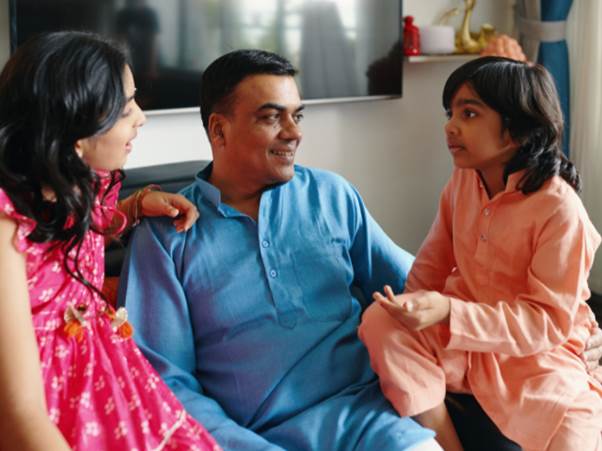
One of the most common mistakes parents make is waiting too long to tell their children about an upcoming move, often out of a desire to protect them from worry. But children generally handle change much better when they have time to process it.
As soon as the decision is reasonably settled, bring your children into the conversation. Explain why the family is moving, what Singapore is like, and what they can look forward to. Be honest about the fact that it may feel strange at first, but reassure them that feeling nervous is completely normal when big changes happen.
Equally important is listening. Your child might worry about leaving their school friends, losing touch with grandparents, or not understanding their new teachers. Take those concerns seriously rather than brushing them aside. When children feel heard, they feel safer.
2. Help them build a sense of belonging before and after arrival
Children adjust faster when they feel they belong somewhere. That sense of belonging does not happen automatically, but there are plenty of ways to nurture it.
Before you leave India, consider doing some research together as a family. Look up Singapore’s neighbourhoods, explore photos of Gardens by the Bay, find out which festivals are celebrated there, or look at menus from local hawker centres. When children have a mental picture of their new home before they arrive, the unknown feels a little less daunting.
Once you land, involve your children in settling in. Let them have some say in how their bedroom is decorated. Keep familiar routines where you can, whether that is a bedtime story, a Sunday morning activity, or a particular meal you always have together. Routines create stability, and stability is what children need most when everything else around them is unfamiliar.
Joining a school with a strong international community also makes a real difference. Singapore has many excellent international schools that go out of their way to help new students integrate, through buddy systems, transition activities, and dedicated support. Many Indian families in Singapore find that the broader expat parent community is wonderfully welcoming and can become a genuine support network for the whole family.
3. Acknowledge homesickness rather than dismissing it
Homesickness is not a sign that the move was a mistake. It is a natural response to loss, and for children, relocating to a new country involves quite a few losses at once: their school, their friends, their neighbourhood, and often their extended family.
Parents sometimes feel guilty when their child is homesick, and that guilt can make them want to fix the feeling quickly or tell their child to cheer up. A kinder approach is to simply acknowledge it. Let your child know that missing home is a sign of how much they loved the life they had, which is actually something to be proud of.
Keep connections to home alive in practical ways. Regular video calls with grandparents and close friends can be hugely comforting. Encourage your child to write letters or send voice notes to their friends back in India. If possible, plan a visit back home to give them something to look forward to.
At the same time, watch for signs that homesickness is becoming something more persistent. If your child is withdrawing, losing their appetite, struggling to sleep, or seems to be spiralling rather than gradually adjusting, it is worth speaking to their school counsellor or a professional who has experience working with expat families.

4. Embrace the culture, not just the convenience
Singapore is a genuinely multicultural city, and that is one of its greatest gifts for children growing up there. Your child will likely have classmates from dozens of different countries, encounter different religious festivals celebrated side by side, and taste food from across Asia without leaving the island. This kind of exposure builds a broad, open-minded worldview that stays with children for life.
Lean into that rather than trying to recreate India in miniature. Of course, keeping your own cultural traditions alive matters enormously and Singapore’s Indian community is vibrant and well-established, so that is easier to do here than in many other countries. But also encourage your children to explore and engage with what Singapore uniquely offers.
Visit the Botanic Gardens. Try the hawker food. Sign your child up for activities that bring them into contact with children from different backgrounds. These experiences do not dilute a child’s sense of identity; they enrich it.
Children who grow up navigating multiple cultures tend to develop strong adaptability, empathy, and communication skills. These are qualities that will serve them well in whatever path they choose later in life.

5. Take care of the practical foundations so your child can thrive
Children adapt best when their parents are calm, settled, and confident. That means the practical groundwork of the move matters more than it might seem.
School selection is one of the most important decisions you will make. Take the time to visit campuses, ask about transition support, and involve your child in the conversation wherever possible. A school where your child feels genuinely welcomed can make an enormous difference to how quickly they settle.
It is also worth thinking carefully about your family’s financial footing in Singapore. The cost of international schooling, healthcare, and housing can add up quickly, and families who have planned for these costs tend to experience considerably less stress during the first year. This is also a good time to review your existing insurance arrangements, check whether your India-based policies extend to Singapore or need to be replaced, and consider what kind of international health cover would work best for your family.
For parents with children still young, the years in Singapore could also be an opportunity to put in place longer-term savings structures for education. International school fees and university costs are a significant outlay, and the earlier families start thinking about these, the more options they tend to have. Singapore also offers a well-regulated financial environment with access to a wide range of savings, investment, and protection solutions that may be worth exploring as you build your life here.
None of this needs to feel overwhelming. The key is simply not to leave it all to chance.

Settling in takes time, and that is fine
Children are often more resilient than we give them credit for. Most expat kids, given time, good support, and parents who are emotionally present, do not just survive relocation. They thrive from it.
That said, every child is different, and the adjustment curve will look different for different personalities and ages. Younger children often adapt more quickly; teenagers sometimes find the transition harder, particularly if they are leaving a close social circle behind. Be patient, stay curious about how your child is feeling, and resist the urge to compare their adjustment timeline to anyone else’s.
Thinking about your family’s financial future in Singapore?
Relocating is the perfect time to take stock of your financial situation and put a proper plan in place. As a financial adviser based in Singapore with experience working with Indian expats, I understand the unique pressures and opportunities that come with building a life here.
Whether you want to discuss planning for your little one’s education, or simply gain a clearer picture of your financial position as a newly arrived expat, I’m here to help.
Get in touch today to book a complimentary consultation, and together we can explore a roadmap to support your family’s financial wellbeing in Singapore.
Rohit Singh has been with GFC for nearly 9 years and has established himself as one of our top performing consultants. He specialises in holistic financial planning for individuals living in Singapore.
Rohit is an authorized representative of Global Financial Consultants Pte Ltd- MAS License No- FA100035-3.
To learn more about how he may be able to help you, please contact him:
Phone number: +65 85015002
Email address: rohit.singh@admin.gfcadvice.com
LinkedIn page: https://www.linkedin.com/in/rohit-singh-9b56b0124/
Click here to book a complimentary consultation: Book here
General Information Only: The information on this site is of a general nature only. It does not take into account your individual financial situation, objectives or needs. You should consider your own financial position and requirements before making a decision.
*Please note that Rohit Singh is not a tax agent or accountant and none of the content outlined here should be taken as personal advice. You should consult your tax agent and financial adviser to review your current personal finances and financial goals to consider whether this strategy is appropriate for you.