Indian expats’ guide: 8 cultural surprises that await you when moving to Singapore
Global Financial Consultants
By Rohit Singh
For many Indian expats, Singapore feels reassuringly familiar from the moment they arrive. English is widely spoken, Indian food is easy to find, and cultural diversity is woven into everyday life. With its close proximity to India and established Indian community, settling in can often feel less daunting than moving to many other countries.
While Singapore may seem familiar on the surface, there are plenty of small cultural surprises that can catch newcomers off guard.
The good news is that most of these differences are easy to embrace and often become part of what expats love most about living here.
If you’re planning a move, here are eight cultural surprises many Indian expats encounter when settling into life in Singapore.
1. Queueing is practically a national sport
One of the first things many Indian expats notice is Singapore’s strong queueing culture.
Whether people are waiting for the train, ordering food at a hawker centre, boarding a bus, or entering a shop, queues are generally orderly and respected. During busy periods, it is common to see people patiently waiting their turn, even when the queue appears quite long.
You will also notice markings on MRT platforms indicating exactly where passengers should stand and where commuters should exit before others board.
For newcomers, this can be surprisingly refreshing. The predictability makes daily life feel organised, particularly in busy public spaces.
Before long, most expats find themselves instinctively joining the queue without giving it a second thought.
2. A packet of tissues can reserve a table
One of Singapore’s most famous cultural habits is “chope-ing”.
The word “chope” essentially means reserving a seat or table. At hawker centres and food courts, it is common to see people leave a packet of tissues, an umbrella, a name card, or another small item on a table while they go off to order food.
To a newcomer, it can seem puzzling.
In many countries, an unattended table would simply appear available. In Singapore, however, locals immediately recognise these items as a sign that someone has already claimed the spot.
Many Indian expats have stories of accidentally sitting at a “choped” table during their first few weeks in Singapore, only to be politely informed of the local custom.
It is one of those uniquely Singaporean practices that initially feels unusual but soon becomes second nature.
3. Singlish is everywhere
Although English is one of Singapore’s official languages, many expats are surprised by how differently it can sound in everyday conversations.
Singaporeans often mix English with influences from Mandarin, Malay, Tamil, and various Chinese dialects, creating a local conversational style affectionately known as Singlish.
During your first few months, you may hear phrases such as:
- “Can can.”
- “No need lah.”
- “Okay lor.”
- “Can meh?”
At first, you might find yourself smiling politely while trying to work out what was just said.
Fortunately, most Singaporeans are happy to switch to more standard English when speaking with newcomers. Over time, many expats begin to understand common Singlish expressions naturally.
Some even find themselves using a few phrases without realising it.
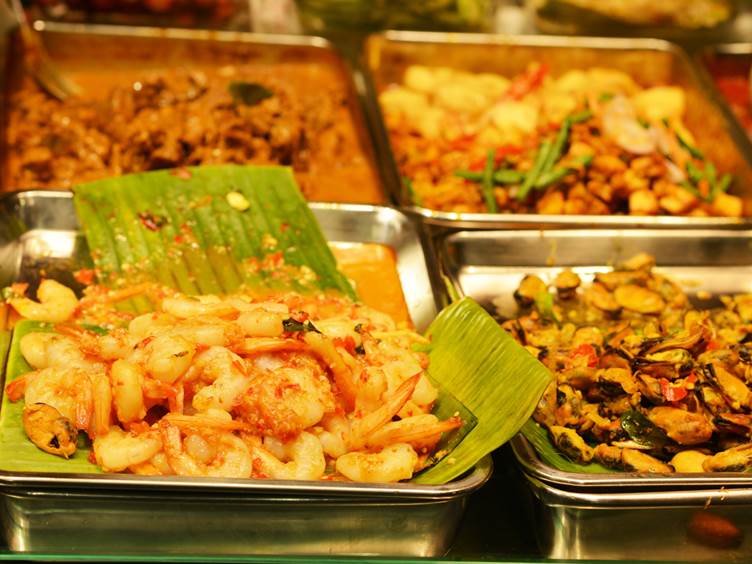
4. Eating out is part of everyday life
Many Indian families are accustomed to home-cooked meals being a central part of daily life. While that remains true for many households in Singapore, dining out is also deeply embedded in local culture.
Hawker centres offer a huge variety of affordable food options, making it easy for people to enjoy meals outside the home regularly.
For Indian expats, this often means having access to an incredible range of cuisines within a single food centre. One person might order Indian food, another might choose Chinese dishes, while someone else opts for Malay or Western fare.
The variety is one of the things many expats appreciate most about Singapore.
Of course, when homesickness strikes, familiar favourites such as biryani, dosa, appam, and butter chicken are never too far away.
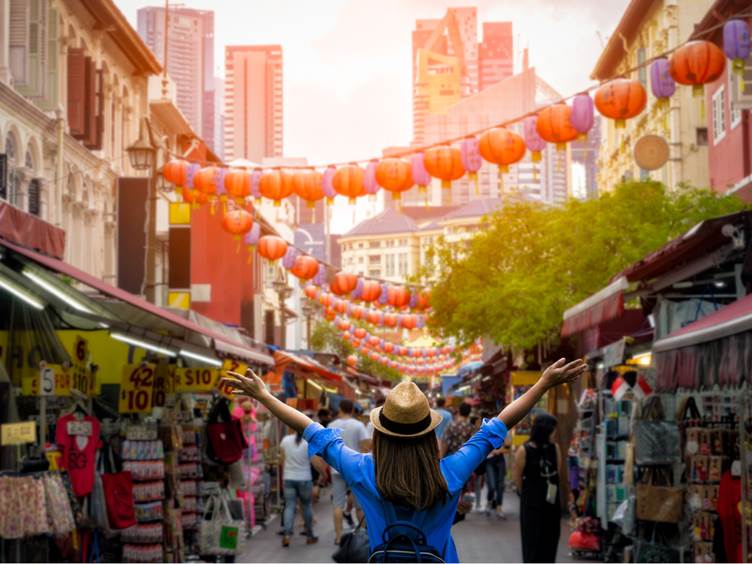
5. Singapore feels both international and local at the same time
Many expats arrive expecting Singapore to feel like a highly globalised city. It certainly is, but what often surprises newcomers is how strongly local traditions and cultural identities remain present.
Throughout the year, you’ll encounter celebrations from different communities, including Chinese New Year, Deepavali, Hari Raya, Christmas, and many others.
In a single day, you might hear several languages, visit a business district, enjoy traditional food at a hawker centre, and attend a cultural festival in the evening.
For Indian expats, this balance between modern city living and cultural heritage creates a unique experience. It is possible to feel connected to your own roots while also learning about the traditions and customs of other communities.
Many people find that this multicultural environment becomes one of the most rewarding aspects of living in Singapore.
6. Planning ahead is part of the culture
One thing many Indian expats notice after living in Singapore for a while is how much emphasis is placed on preparation and forward planning.
Whether it’s booking a popular restaurant weeks in advance, registering early for children’s enrichment programmes, or planning holidays well ahead of time, Singaporeans often prefer to organise things before they become urgent.
For many expats, this mindset can be surprisingly helpful. Moving to a new country involves more than adjusting to local customs. It can also mean thinking ahead about healthcare, education, career goals, and long-term family plans.
Having worked with many Indian expat families in Singapore, I’ve found that those who take a proactive approach to planning often feel more confident and settled as their lives evolve. While nobody can predict the future, having a clear plan in place can make navigating life’s transitions a little easier.
7. Cash is optional almost everywhere
One of the pleasant surprises many Indian expats encounter is how little cash they need to carry. From hawker centres and supermarkets to taxis, vending machines, and neighbourhood shops, digital payments are widely accepted. QR-code payments, contactless cards, and mobile wallets are part of everyday life, making transactions fast and convenient.
For newcomers, it can feel remarkably efficient to go through an entire week without visiting an ATM. At the same time, the ease of tap-and-go spending can make small purchases add up quickly, so many residents rely on budgeting apps and expense tracking to stay on top of their finances. It is one of the small everyday conveniences that often makes settling into life in Singapore feel surprisingly seamless.
8. Splitting bills is often done down to the last dollar
Many Indian expats are surprised by how comfortable friends and colleagues in Singapore are with splitting shared expenses precisely.
Whether it’s a group lunch, dinner outing, or shared taxi ride, people often use digital payment apps to transfer their exact share. There is usually little awkwardness around splitting the bill, and most people appreciate the convenience and transparency.
For newcomers, this can feel more structured than the “I’ll get this one, you get the next” approach that is common in some social circles.
Final thoughts
Every move abroad comes with adjustments, and Singapore is no exception. From learning the art of chope-ing a table to understanding Singlish and embracing the local queueing culture, these experiences often become some of the stories Indian expats share most fondly.
As you settle into life here, your priorities may evolve beyond cultural adaptation to include family, career, healthcare, and long-term goals. If you’d like to discuss how this fit into your broader financial plans, feel free to get in touch for a complimentary consultation. I’d be happy to help you navigate your financial journey as an expat with confidence.
Rohit Singh has been with GFC for nearly 9 years and has established himself as one of our top performing consultants. He specialises in holistic financial planning for individuals living in Singapore.
Rohit is an authorized representative of Global Financial Consultants Pte Ltd- MAS License No- FA100035-3.
To learn more about how he may be able to help you, please contact him:
Phone number: +65 85015002
Email address: rohit.singh@gfcadvice.com
LinkedIn page: https://www.linkedin.com/in/rohit-singh-9b56b0124/
Click here to book a complimentary consultation: Book here
General Information Only: The information on this site is of a general nature only. It does not take into account your individual financial situation, objectives or needs. You should consider your own financial position and requirements before making a decision.
*Please note that Rohit Singh is not a tax agent or accountant and none of the content outlined here should be taken as personal advice. You should consult your tax agent and financial adviser to review your current personal finances and financial goals to consider whether this strategy is appropriate for you.